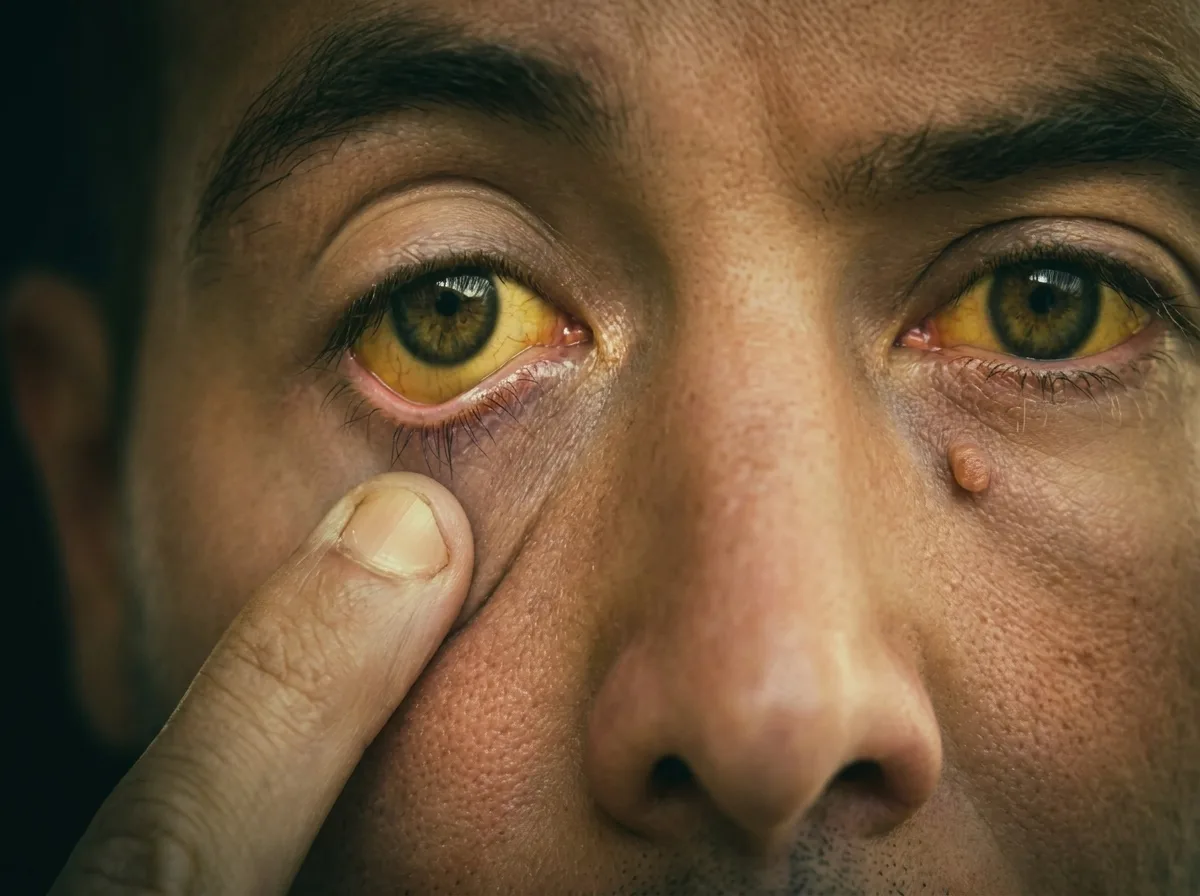
Jaundice, the yellowing of the eyes and skin, is one of the most recognisable signs of illness. In Bangladesh, it is very common, and many families first think of viral hepatitis and treat it at home with rest, special diets, or traditional remedies. While viral hepatitis is indeed a frequent cause, jaundice can also be a sign of a blocked bile duct, caused by stones, strictures, or cancer, which needs a completely different and often urgent treatment.
This article explains what jaundice is, the different types and causes, the warning signs that suggest a surgical problem, and when you should see a biliary (hepatobiliary) specialist without delay.
What Is Jaundice?
Jaundice occurs when a yellow pigment called bilirubin builds up in the blood. Bilirubin is produced when old red blood cells break down. Normally, the liver processes bilirubin and releases it into bile, which flows through the bile ducts into the intestine and leaves the body in the stool, giving stool its brown colour.
If something goes wrong at any stage of this pathway, bilirubin accumulates and the eyes, skin, and urine turn yellow. The whites of the eyes are usually the first place where jaundice becomes visible.
Three Main Types of Jaundice
1. Pre-Hepatic Jaundice (Before the Liver)
Too many red blood cells are being broken down, producing more bilirubin than the liver can handle. Causes include haemolytic anaemias, thalassaemia, malaria, and some inherited conditions. Urine is usually normal in colour.
2. Hepatic Jaundice (Within the Liver)
The liver cells themselves are damaged and cannot process bilirubin properly. Causes include:
Viral hepatitis (A, B, C, and E), the most common cause in Bangladesh
Alcohol-related liver disease
Drug or herbal medicine toxicity
Cirrhosis and fatty liver disease
Autoimmune hepatitis
Gilbert's syndrome, a harmless inherited condition causing mild jaundice
3. Post-Hepatic (Obstructive) Jaundice (After the Liver)
Bile cannot drain from the liver into the intestine because the bile duct is blocked. This is the type that most often needs a biliary specialist and a procedure or surgery. Causes include:
Common bile duct stones (choledocholithiasis)
Cancer of the head of the pancreas
Bile duct cancer (cholangiocarcinoma)
Gallbladder cancer spreading to the bile duct
Ampullary cancer
Bile duct strictures, including after previous gallbladder surgery
Choledochal cysts
Chronic pancreatitis
Parasites such as roundworms in the bile duct
Warning Signs That Suggest a Blocked Bile Duct
The following features point towards obstructive jaundice and should prompt early specialist review:
Dark, tea- or cola-coloured urine
Pale, clay-coloured, or white stools
Generalised itching, often worse at night
Jaundice that keeps getting deeper rather than fading
Painless jaundice in a person over 40
Unexplained weight loss and loss of appetite
Fever with chills along with jaundice
Upper abdominal pain, especially after fatty meals
A palpable gallbladder or lump in the upper abdomen
A history of gallstones or previous gallbladder surgery
Painless Jaundice: A Red Flag
When an adult, particularly someone over 40, develops jaundice without pain or fever, along with dark urine, pale stools, itching, and weight loss, it can be a sign of a tumour blocking the bile duct, such as cancer of the pancreas, bile duct, or ampulla.
These cancers are often curable with surgery, such as the Whipple procedure, only if they are found early. Every week lost to home remedies or unnecessary delays can reduce the chance of cure. Painless jaundice in an adult should never be ignored or assumed to be "just hepatitis".
Cholangitis: A Medical Emergency
When a blocked bile duct becomes infected, the condition is called acute cholangitis. The classic signs are:
Fever with shivering
Jaundice
Pain in the upper right abdomen
In severe cases, confusion and low blood pressure develop, which signals spreading infection (sepsis). Cholangitis needs immediate hospital treatment with intravenous antibiotics and urgent drainage of the bile duct, usually by ERCP. Without prompt treatment, it can be fatal.
How Is the Cause of Jaundice Found?
Blood Tests
Serum bilirubin: total and direct (conjugated)
Liver enzymes: ALT and AST are higher in liver cell damage, while ALP and GGT are higher in bile duct blockage
Prothrombin time / INR: shows liver function and clotting
Viral markers: hepatitis A, B, C, and E
Complete blood count
Tumour markers such as CA 19-9 and CEA, when cancer is suspected
Imaging
Ultrasound: the first and most useful test. It shows whether the bile ducts are dilated (suggesting obstruction), and may reveal stones or a mass.
MRCP: detailed images of the bile and pancreatic ducts, showing the exact site and cause of blockage
Contrast CT scan: to look for tumours and assess whether they can be removed
Endoscopic ultrasound (EUS): for small tumours and stones, and to take biopsies
Procedures
ERCP: can remove stones, place a stent to relieve blockage, and take samples
PTBD (percutaneous transhepatic biliary drainage): a drainage tube placed through the skin into the liver when ERCP is not possible
Treatment Depends on the Cause
Viral hepatitis: mostly supportive care. Hepatitis B and C may need antiviral treatment.
Bile duct stones: ERCP to remove the stones, followed by laparoscopic gallbladder removal
Cancers of the pancreas, bile duct, or ampulla: surgical removal if possible, such as the Whipple procedure or bile duct resection, often with chemotherapy
Bile duct strictures: endoscopic dilatation and stenting, or surgical reconstruction with hepaticojejunostomy
Choledochal cysts: complete excision with reconstruction
Advanced cancers: stent placement to relieve jaundice and itching, and improve quality of life
Why See a Biliary Specialist?
Obstructive jaundice often needs a combination of skills: interpreting complex scans, deciding whether to stent before surgery, and performing major hepatobiliary operations. A hepatobiliary surgeon works with gastroenterologists, radiologists, and oncologists to plan the safest sequence of care. Early referral can:
Identify curable cancers at an early stage
Avoid unnecessary procedures or inappropriate stenting that may complicate later surgery
Prevent complications such as cholangitis and liver damage
Provide a clear, coordinated plan for the patient and family
Common Myths About Jaundice
"All jaundice is hepatitis and goes away with rest." Many cases, especially in older adults, are caused by bile duct blockage that needs a procedure or surgery.
"Jhar-phuk, herbal necklaces, or special drinks cure jaundice." These have no proven benefit, and some herbal products can damage the liver further. Most importantly, they delay proper diagnosis.
"A jaundice patient should eat only boiled, oil-free, salt-free food." Extreme diet restriction can cause malnutrition. A balanced, easily digestible diet is generally best, unless a doctor advises otherwise.
"If there is no pain, it is not serious." Painless jaundice in adults can be a sign of cancer and needs prompt evaluation.
Living with a Biliary Stent
Many patients with obstructive jaundice have a plastic or metal stent placed in the bile duct, either as a bridge to surgery or as long-term relief. A stent usually brings bilirubin down over a few weeks, and itching and appetite improve. However, stents can become blocked or infected. Plastic stents generally need to be replaced every few months. If you have a stent, seek help quickly if fever, shivering, or returning jaundice develops, as these may signal a blocked stent. Keep the stent details and date of insertion with your medical records.
Care at Home While Awaiting Diagnosis
Do not start herbal or traditional remedies; they may harm the liver and delay diagnosis.
Eat a normal, balanced, easily digestible diet with adequate protein, and drink enough water.
Avoid alcohol completely.
Do not take painkillers or other medicines without a doctor's advice.
Keep a note of urine and stool colour, fever, and weight, and share it with your doctor.
Jaundice in Newborns
Mild jaundice is common in newborn babies and usually settles within two weeks. However, jaundice that persists beyond two weeks, especially with pale stools and dark urine, can be a sign of biliary atresia or a choledochal cyst. These require urgent assessment by a paediatric surgeon or hepatologist, because early surgery greatly improves outcomes.
Jaundice in Pregnancy
Jaundice during pregnancy should never be taken lightly. It can be caused by viral infections such as hepatitis E, gallstones, or specific liver conditions of pregnancy, all of which can be dangerous for both mother and baby. A pregnant woman with jaundice should promptly consult her obstetrician and, if needed, a liver specialist.
When to See a Doctor Urgently
Jaundice with fever and shivering
Jaundice with confusion, drowsiness, or bleeding
Jaundice with severe abdominal pain or vomiting
Painless jaundice with dark urine, pale stools, itching, or weight loss
Jaundice after recent gallbladder or abdominal surgery
Jaundice in pregnancy
Persistent jaundice in a newborn beyond two weeks
Conclusion
Jaundice is not a disease in itself; it is a sign that something is wrong with the blood, the liver, or the bile ducts. While many cases are due to viral hepatitis, warning signs such as dark urine, pale stools, itching, weight loss, and painless jaundice in adults may indicate a blocked bile duct that needs specialist care. Recognising these signs and seeking early evaluation can be life-saving.
If you or a family member has jaundice with any of these warning signs, consult a hepatobiliary specialist without delay.
This article is for general information and does not replace a personal medical consultation. Please see a doctor for proper diagnosis and treatment.