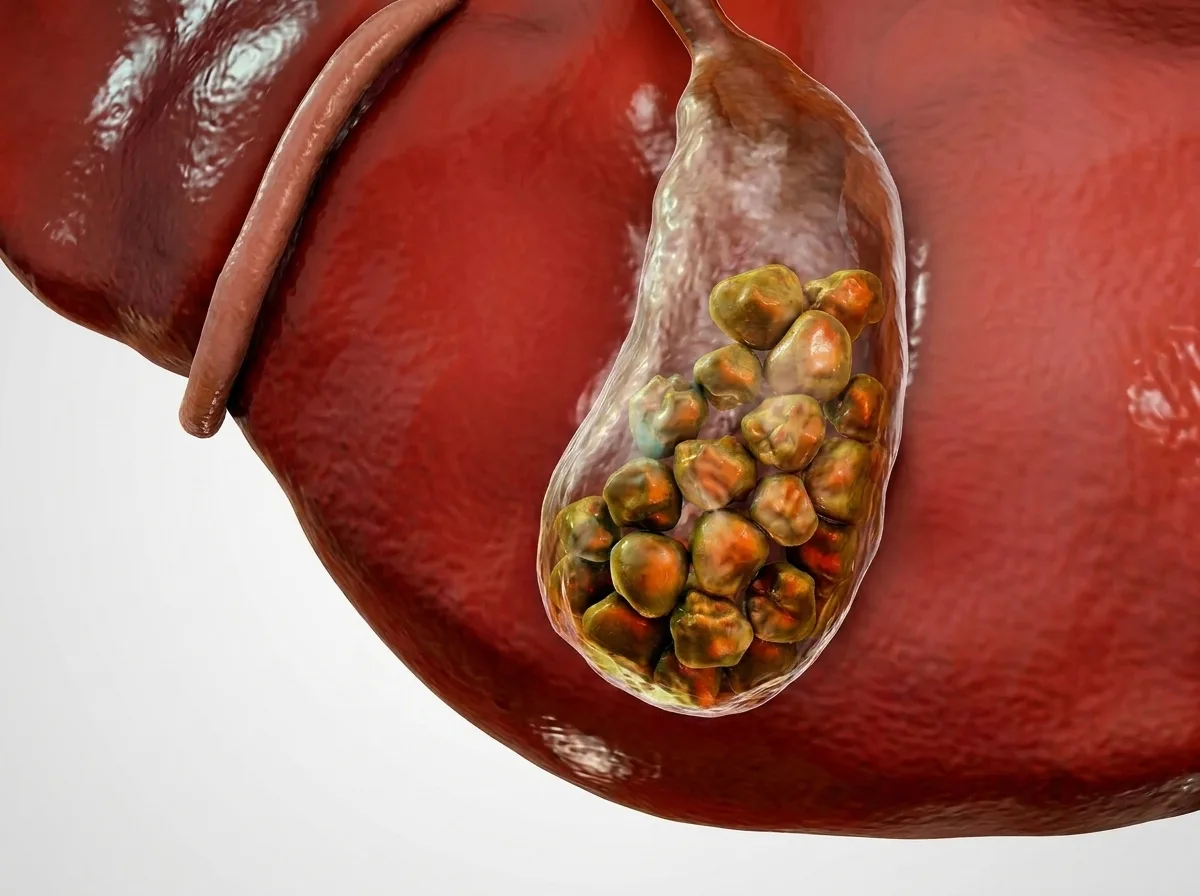
Gallstones (cholelithiasis) are among the most common gastrointestinal surgical conditions. Formed when bile stored in the gallbladder hardens into cholesterol or pigment stones, they can remain silent for years or suddenly cause severe, agonizing abdominal pain known as biliary colic.
Key Symptoms of Gallbladder Stones
- Sudden Upper Right Abdominal Pain: Intense, cramping pain localized in the right upper quadrant or epigastrium, frequently occurring after eating fatty or heavy meals.
- Pain Radiating to the Back or Right Shoulder: Referred pain along the phrenic nerve pathway.
- Nausea and Indigestion: Persistent bloating, gas, and severe nausea following meals.
- Fever and Jaundice: If a gallstone slips into the common bile duct (choledocholithiasis) or causes acute cholecystitis.
Why Surgery is the Gold Standard Treatment
Medications to dissolve gallstones are rarely effective for symptomatic stones and carry high recurrence rates. The definitive medical cure is Laparoscopic Cholecystectomy — a minimally invasive keyhole surgical procedure to remove the diseased gallbladder.
Advantages of Laparoscopic Cholecystectomy
Using 3 to 4 tiny keyhole incisions (5mm to 10mm), the surgeon extracts the gallbladder with minimal tissue trauma. Benefits include:
- Minimal post-operative pain and negligible scarring
- Short hospital stay (usually discharged within 24 hours)
- Fast return to work and routine daily activities (5-7 days)